

Eco-efficient hearth stoves, also identified as environmentally friendly or energy-efficient fireplace inserts or stoves, are designed to provide environment friendly heating while minimizing environmental impression. These stoves aim to reduce back power consumption, emissions, and waste, making them an excellent possibility for each heat and sustainability. Here are some features and issues for eco-efficient fire stoves:
High Efficiency: Look for hearth stoves with high efficiency scores. This indicates how successfully the range converts gasoline (such as wooden, pellets, or gas) into usable heat. Higher effectivity means less waste and fewer emissions.
Clean-Burning Technology: Modern eco-efficient fire stoves incorporate superior combustion expertise to ensure a cleaner burn. This reduces particulate emissions and helps shield indoor and out of doors air high quality.
Emission Standards: Check if the hearth stove meets relevant emission standards and rules. Many countries have tips in place to make sure that wood-burning appliances produce minimal pollution.
Secondary Combustion: Some fireplace stoves use secondary combustion chambers to further burn and scale back emissions from the smoke produced through the preliminary burning process.
Catalytic Converters: Certain wood-burning fireplace stoves come with catalytic converters, which help burn off additional particulates and pollution from the smoke before they're released into the ambiance.
Pellet Stoves: Pellet stoves burn compressed wooden pellets and are known for their efficiency and clear combustion. Pellets are made from wood waste, making them a sustainable gas supply.
Gas Fireplace Inserts: Gas fireplace inserts are a cleaner-burning various to traditional wood-burning stoves. They use pure gas or propane and can be operated with high effectivity and convenience.
Thermostatic Controls: Look for hearth stoves with thermostatic controls that let you regulate the warmth output. This prevents overheating and optimizes power utilization.
Programmable Timers: Some eco-efficient fireplace stoves have programmable timers, allowing you to set particular heating schedules. This might help save vitality whenever you're not at home.
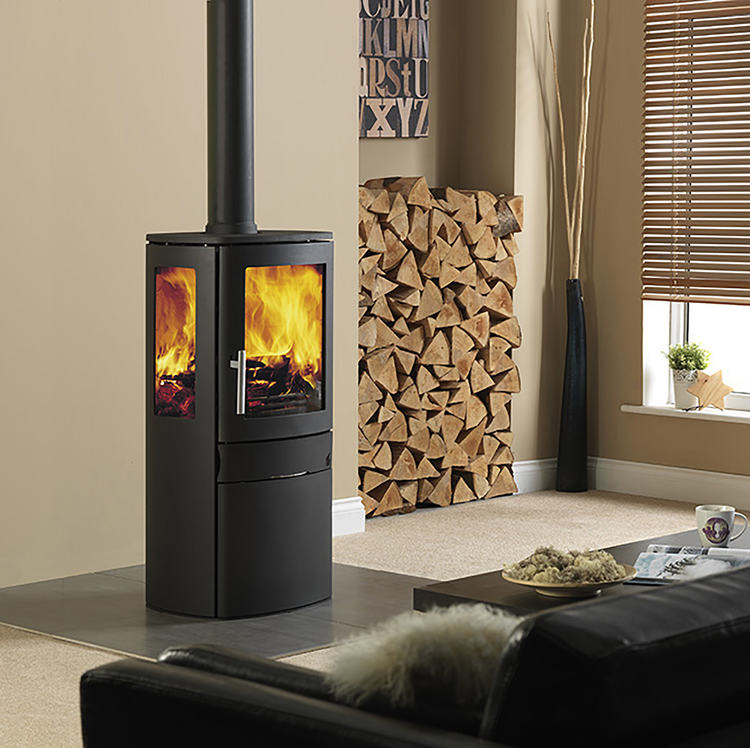
Zone Heating: Consider the location of the fireside range in your home. By strategically putting the stove in commonly used areas, you can apply zone heating and reduce the necessity for central heating.
Maintenance and Cleaning: Regular maintenance is important to maintain the stove working efficiently. Clean Eco Design Stoves Ripon , chimney, and vents regularly to prevent buildup and ensure optimum performance.
Certifications: Look for fireplace stoves with certifications from respected organizations, such because the Environmental Protection Agency (EPA) in the United States or equivalent agencies in different countries. These certifications validate the stove's efficiency and emissions performance.
When choosing an eco-efficient hearth stove, think about your heating needs, the kind of gas you prefer, and the particular features that align together with your sustainability objectives. Consulting with consultants and researching different models will allow you to discover the best hearth range on your residence and way of life.
Was this response better or worse?