

website are stair constructions produced from metal that are designed and constructed to be used in business and public spaces such as offices, retail shops, eating places, factories, warehouses, and different business establishments. These staircases are engineered to meet the particular requirements of business buildings, contemplating elements similar to security, sturdiness, aesthetics, and compliance with constructing codes and rules. Here are some key options and considerations for commercial steel staircases:
Safety and Building Codes: Commercial metal staircases should adhere to strict building codes and safety laws. The design, development, and installation ought to meet native, national, and international requirements to make sure the safety of employees, visitors, and clients.
Structural Integrity: Steel is chosen for its structural strength and load-bearing capability. Commercial areas usually experience excessive foot visitors, so the staircase should be designed to deal with heavy usage over time.
Custom Design: Commercial metal staircases can be custom-made to fit the unique architectural and useful needs of the house. This consists of selecting the suitable staircase kind (straight, spiral, helical, and so forth.), dimensions, tread and riser specs, and railing systems.
Durability: Commercial metal staircases are constructed to resist put on and tear, guaranteeing they keep their integrity and appearance in high-traffic areas.
Aesthetics: Steel staircases may be designed to enhance the interior design and branding of the business space. Different finishes, coatings, and design elements can be incorporated to achieve the specified visual impression.
Accessibility: For public areas, compliance with accessibility pointers, such as the Americans with Disabilities Act (ADA) in the United States, is crucial. This consists of concerns for ramped access, handrails, and step dimensions.
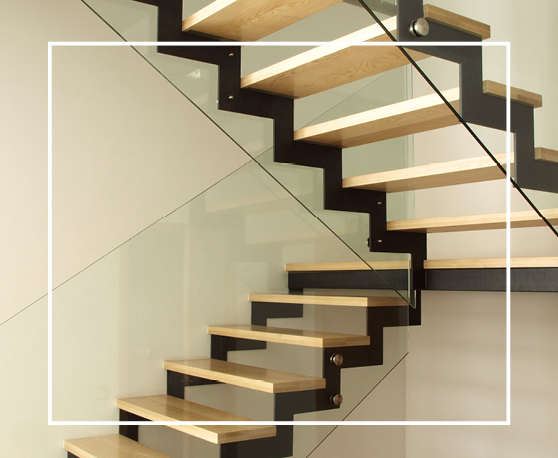
Materials and Finishes: Steel staircases can be completed in various methods, including paint, powder coating, galvanizing, or leaving the uncooked steel exposed for an industrial look. Additional materials such as glass, wooden, or non-slip supplies can be integrated for added functionality and aesthetics.
Noise Mitigation: Commercial spaces typically prioritize noise management. Proper tread supplies and insulation can help cut back noise brought on by foot visitors on the staircase.
Professional Installation: Commercial metal staircases require skilled design, fabrication, and installation. Working with skilled architects, engineers, and contractors ensures that the staircase meets safety requirements and integrates seamlessly into the constructing.
Maintenance: Regular upkeep is essential to ensure the longevity and safety of economic steel staircases. Inspections for signs of wear and tear, rust, or other issues must be performed periodically.
When planning and designing a industrial metal staircase, collaboration with architects, structural engineers, contractors, and staircase specialists is crucial. These professionals may help create a staircase that not only meets safety and accessibility requirements but also enhances the general aesthetic and performance of the commercial area..