

LED (Light Emitting Diode) lights provide quite a few benefits in comparison with traditional lighting applied sciences like incandescent and fluorescent bulbs. These benefits have made LEDs increasingly well-liked in varied purposes. Here are a number of the key advantages of LED lights:
Energy Efficiency:
LEDs are extremely energy-efficient, converting a good portion of electrical power into gentle quite than heat. This leads to decrease energy consumption and lowered electrical energy bills.
Longevity:
LED lights have an exceptionally long lifespan, often lasting 25,000 to 50,000 hours or extra. This longevity reduces the need for frequent replacements, saving each money and time.
Durability:
LEDs are solid-state lighting devices, making them extremely proof against shock, vibrations, and external impacts. They are less fragile than conventional bulbs, which might simply break.
Instant Lighting:
LEDs present instant illumination when turned on, with no warm-up time required. This is especially essential in purposes where immediate full brightness is required.
Cooler Operation:
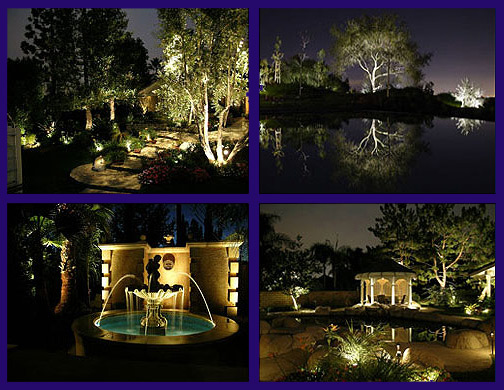
LEDs emit very little warmth in comparability with incandescent and halogen bulbs. This makes them safer to the touch and reduces the chance of burns or fireplace hazards.
Dimmability:
Many LED fixtures and bulbs are dimmable, allowing users to adjust the brightness to create the specified ambiance and save extra energy when full brightness isn't needed.
Directional Lighting:
LEDs emit gentle in a specific course, making them extremely efficient for targeted lighting applications. This reduces mild wastage and permits for exact illumination.
Color Temperature Options:
LEDs are available in numerous shade temperatures, permitting customers to select lighting that fits their preferences and wishes. Common choices include heat white, cool white, and daylight white.
High Color Rendering Index (CRI):
LEDs can obtain excessive CRI values, which means they accurately render colours compared to pure daylight. This is important for functions where shade accuracy is crucial, such as in art galleries and retail settings.
Low UV Emissions:
LEDs emit minimal ultraviolet (UV) and infrared (IR) radiation, decreasing the danger of damage to delicate supplies and art work.
Environmental Benefits:
LED lighting contributes to vitality conservation and lowered greenhouse fuel emissions due to its low vitality consumption and lengthy lifespan. It additionally contains no hazardous supplies like mercury, which is found in some other kinds of lighting.
Instantaneous Control:
LEDs can be turned on and off regularly with out affecting their lifespan or performance. outdoor lighting nashville makes them ideal for purposes where speedy switching is required.
Smart Lighting Integration:
Many LED lighting techniques can be integrated into smart house or building automation methods. This allows for distant control, scheduling, and customization of lighting to meet particular wants and preferences.
Cost Savings:
While LED lighting fixtures and bulbs might have a better initial price compared to conventional lighting, the long-term energy financial savings and reduced maintenance expenses usually make LEDs a cost-effective alternative over time.
Versatility:
LEDs are used in a variety of purposes, from residential and commercial lighting to automotive lighting, avenue lighting, displays, and more.
These benefits make LED lighting a practical and sustainable choice for quite lots of lighting needs, each indoors and outside. The continued advancement of LED expertise is expected to further improve effectivity, color quality, and versatility, expanding the range of applications for LEDs in the future..